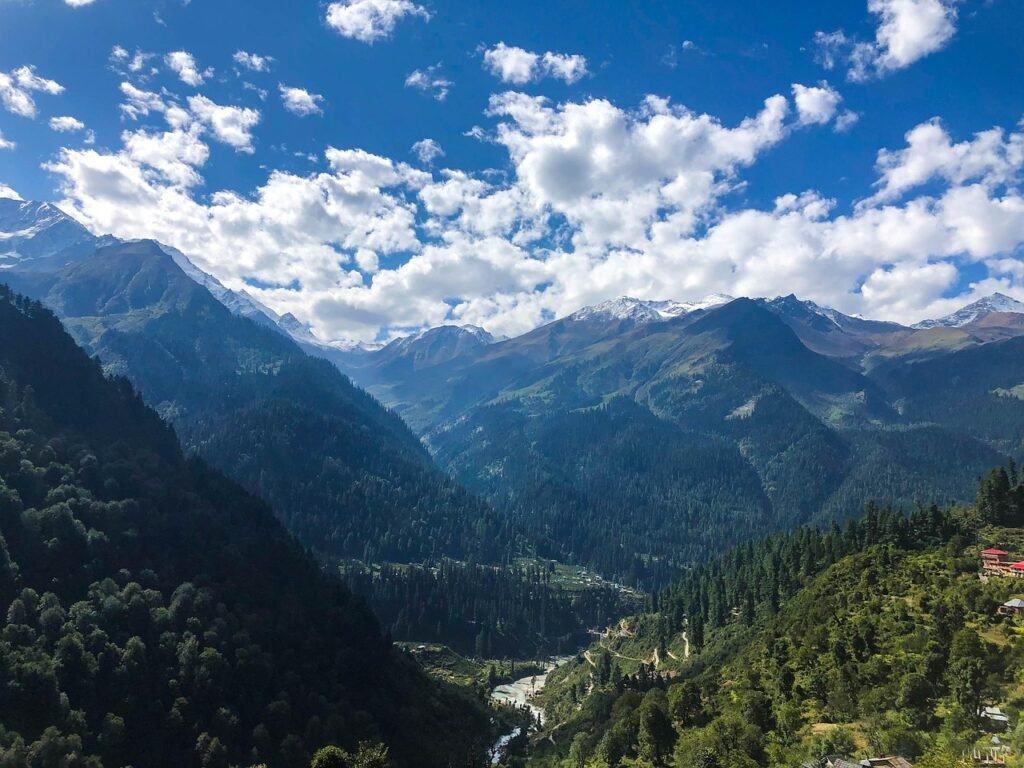
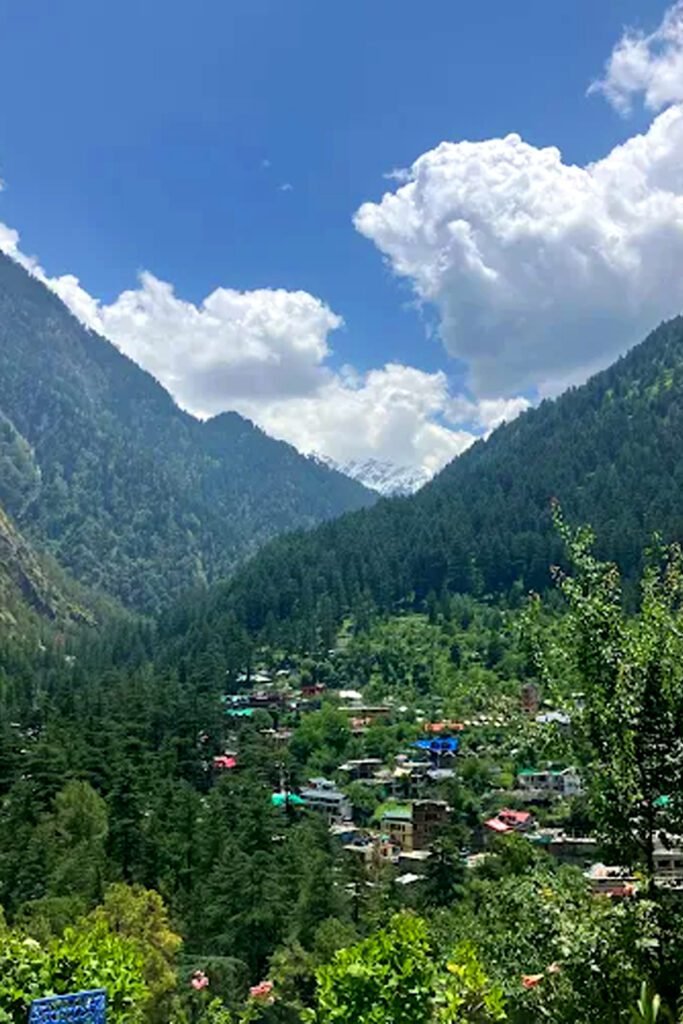
There’s a certain kind of silence you find only in the mountains — not the hollow absence of sound, but a deeper, more deliberate quiet that makes you listen inward. I felt it the moment I stepped into Kasol, a little Himalayan village tucked deep in the Parvati Valley of Himachal Pradesh.
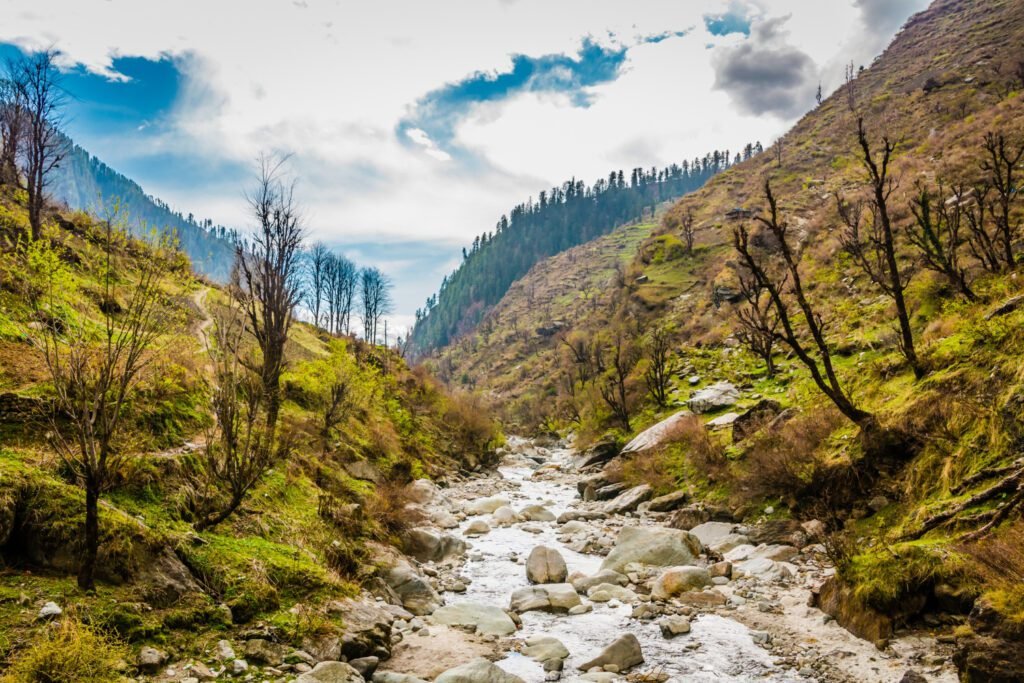
For many, Kasol is just another pin on the backpacker’s map — a stopover before the next trek, a café-hopping haven, a weekend escape. But stay a little longer, walk a little slower, and you’ll discover that Kasol is not merely a destination. It’s a mood — calm, carefree, and quietly transformative.
🏞️ First Impressions: A Village That Moves at Its Own Rhythm
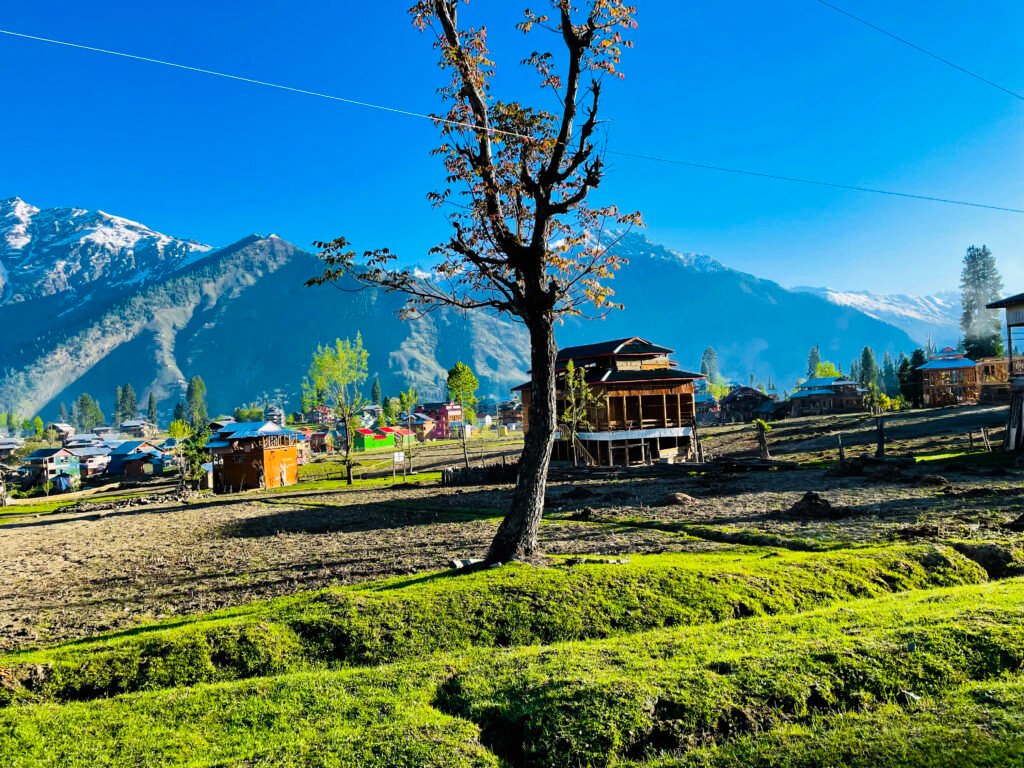
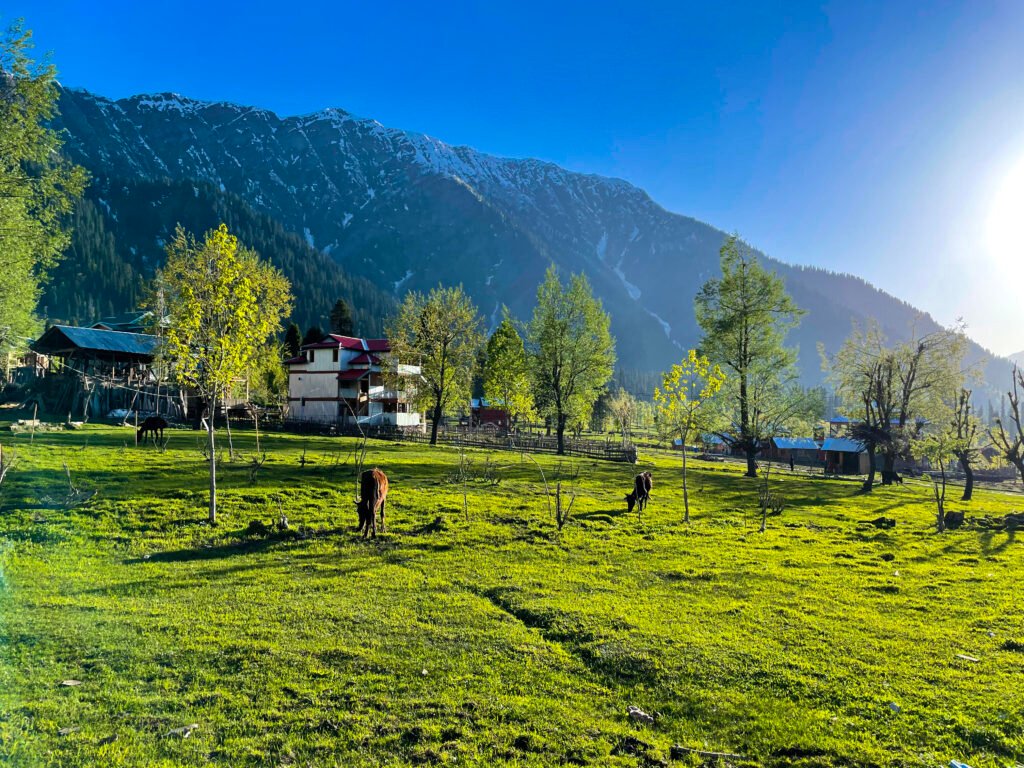
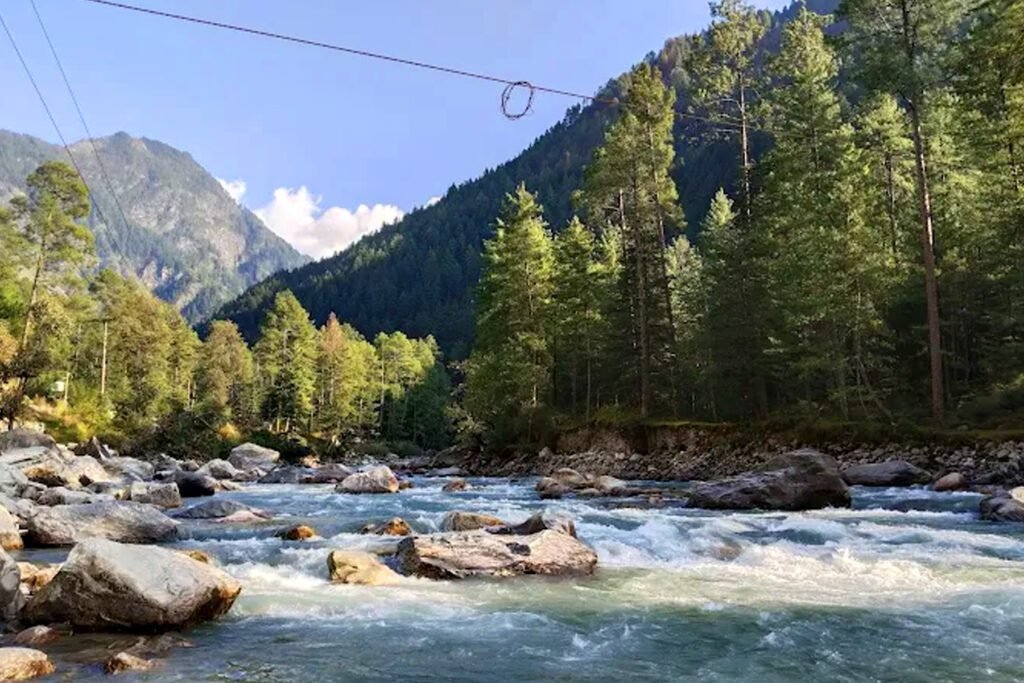
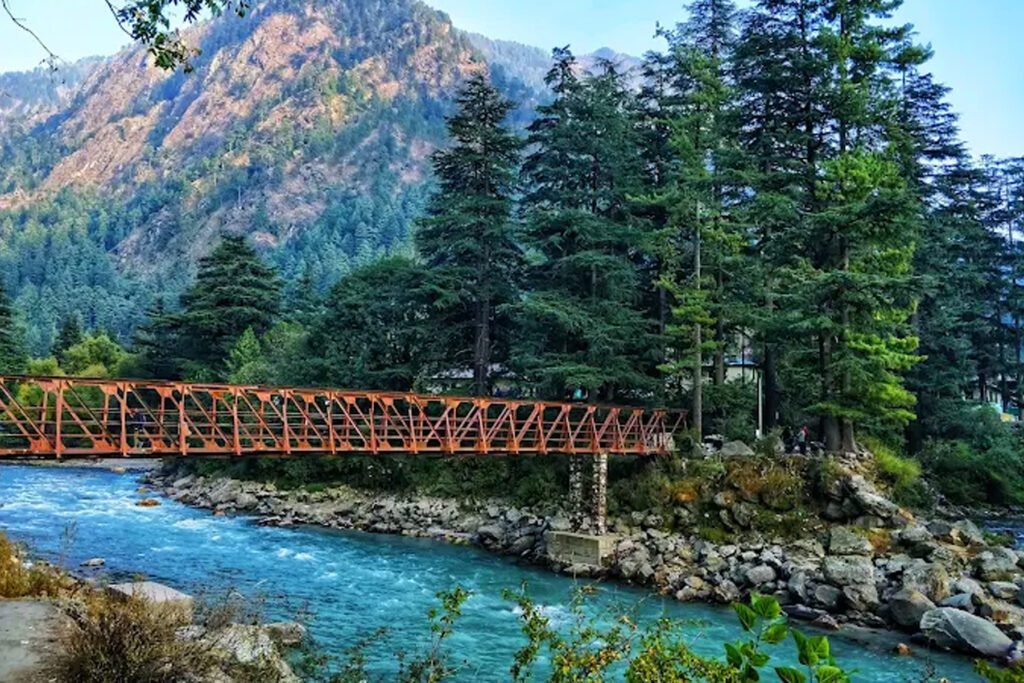
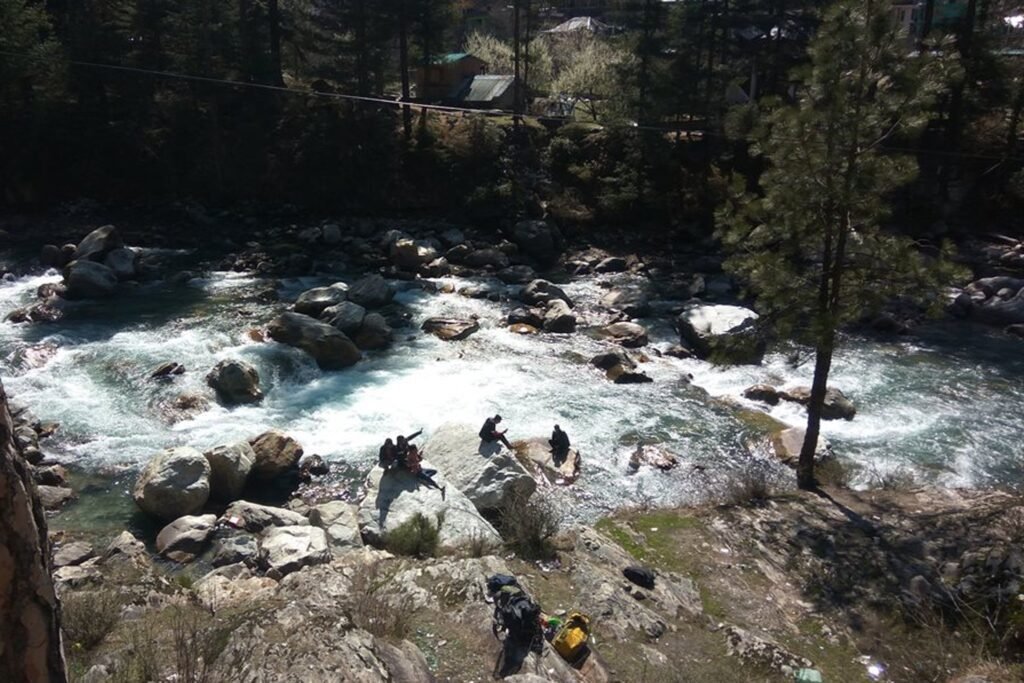
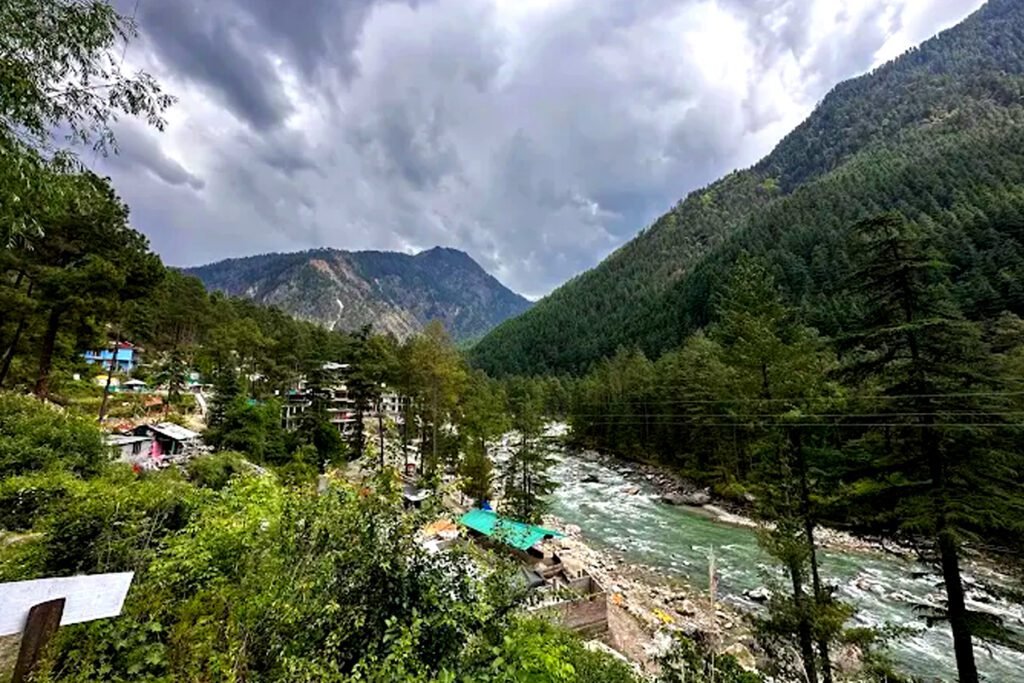
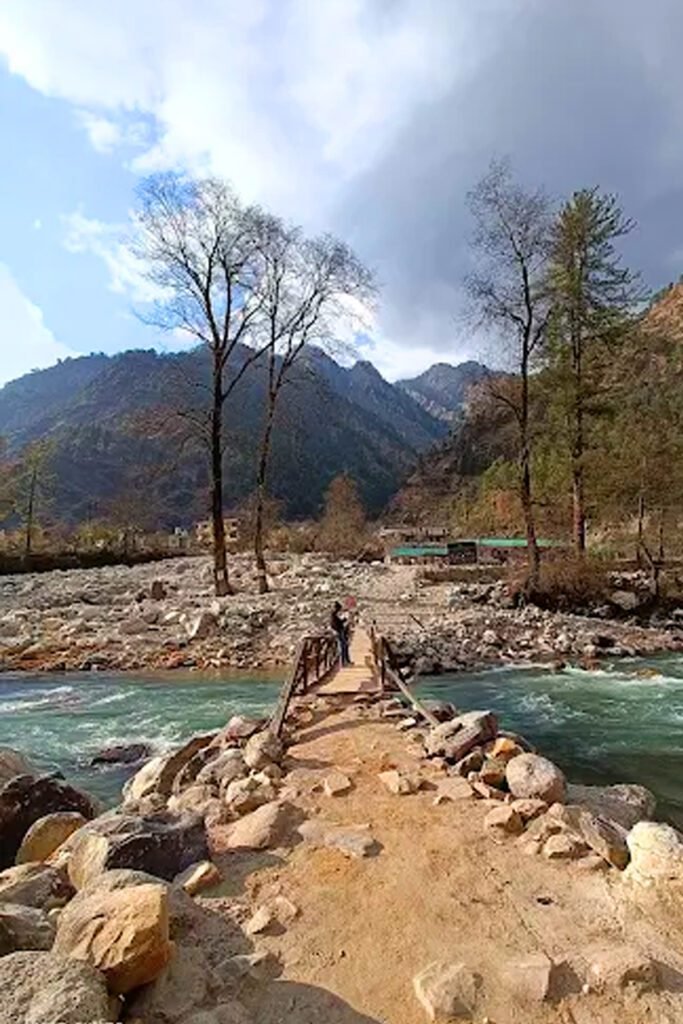
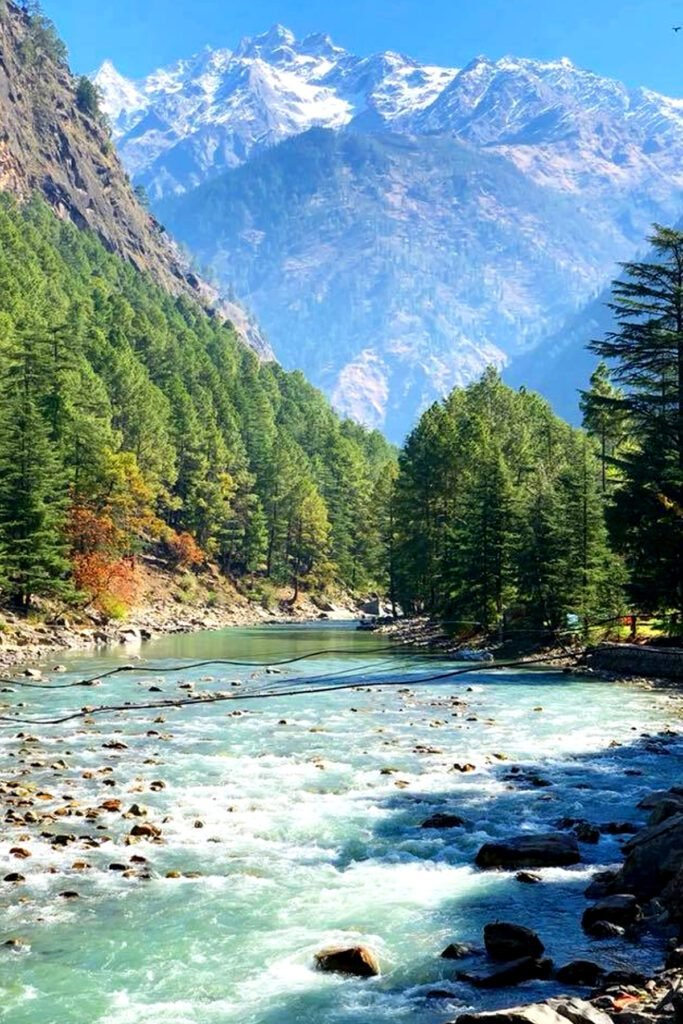
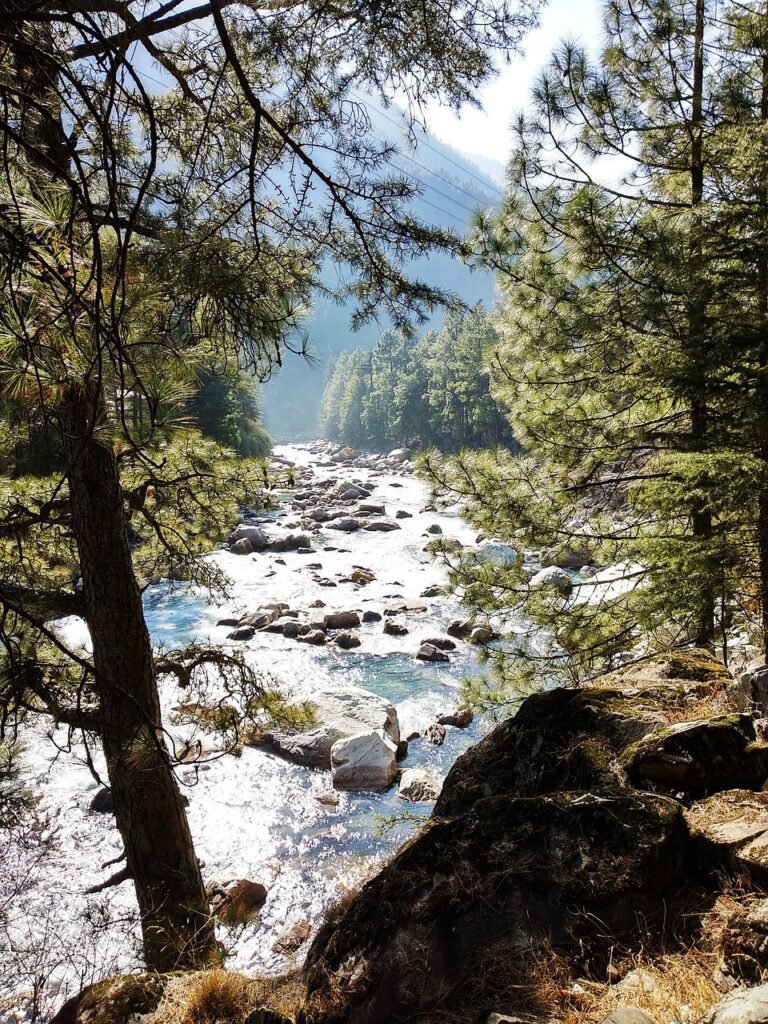
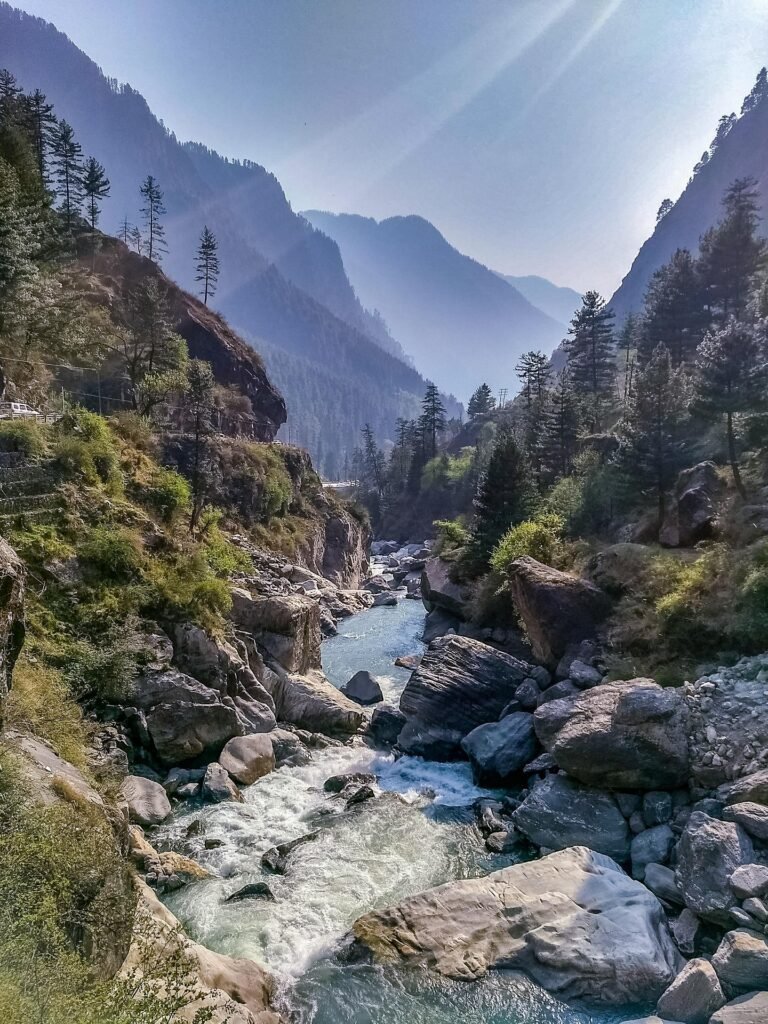
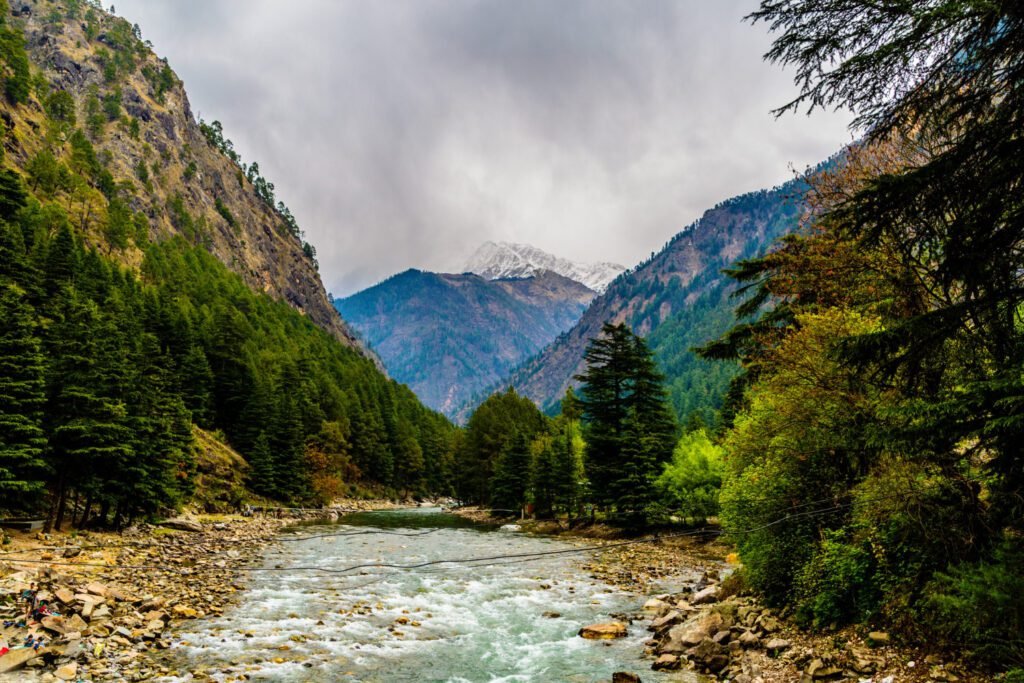
Kasol isn’t grand in scale. It doesn’t shout for your attention. Instead, it wins you over with its simplicity. Wooden bridges sway gently over the Parvati River, pine-lined trails snake through sleepy hamlets, and the scent of bonfire smoke drifts from roadside cafés as dusk settles over the valley.
Often nicknamed “Mini Israel” due to its popularity among Israeli travelers, the village hums with a multicultural energy. Hebrew signboards line narrow lanes, falafel sizzles next to steaming momos, and conversations in English, Hindi, and Hebrew float through riverside cafés. Yet beneath that global buzz, the soul of the Himalayas remains untouched — raw, pure, and timeless.
🚶♂️ How to Reach This Hidden Corner of Himachal
Getting to Kasol is a journey in itself — one that slowly peels you away from the chaos of city life.
- By Air: The nearest airport is Bhuntar (Kullu-Manali Airport), about 30 km away. From there, a scenic hour-long drive along the Parvati River brings you straight into Kasol.
- By Road: Overnight Volvo buses from Delhi or Chandigarh drop you at Bhuntar or Manali. From Bhuntar, shared cabs or local buses cover the final stretch.
- By Train: The nearest major stations are Pathankot and Chandigarh, followed by a road journey into the valley.
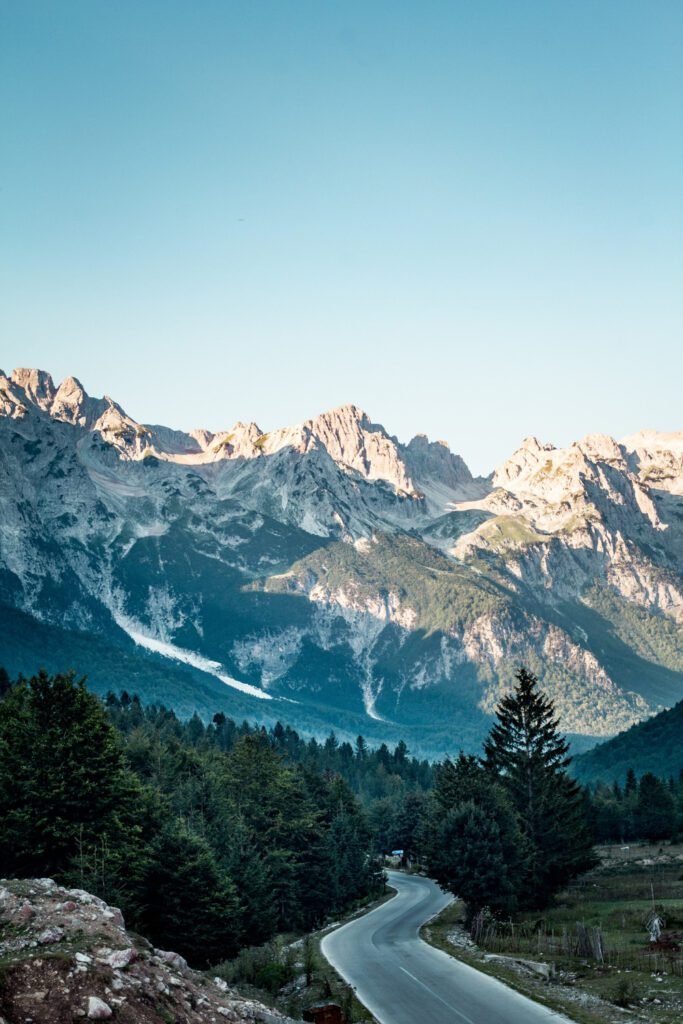
The road from Bhuntar to Kasol is more than just a drive — it’s a gentle initiation. Terraced fields, pine forests, and rushing rivers keep you company as you wind your way into the mountains.
🌿 The Real Kasol: Experiences That Go Beyond Sightseeing
What makes Kasol special isn’t a checklist of attractions — it’s the way you experience them. Here, the best days are the ones where you lose track of time.

🥾 1. Hike to Kheerganga: A Journey to the Sky
The Kheerganga Trek is the crown jewel of Kasol adventures. Starting from Barshaini, the trail winds through deodar forests, wooden bridges, and mist-covered villages. The 12-14 km hike ends with a soak in natural hot springs perched high above the valley — an unforgettable reward.
🏡 2. Wander Through Tosh & Chalal: Villages Frozen in Time
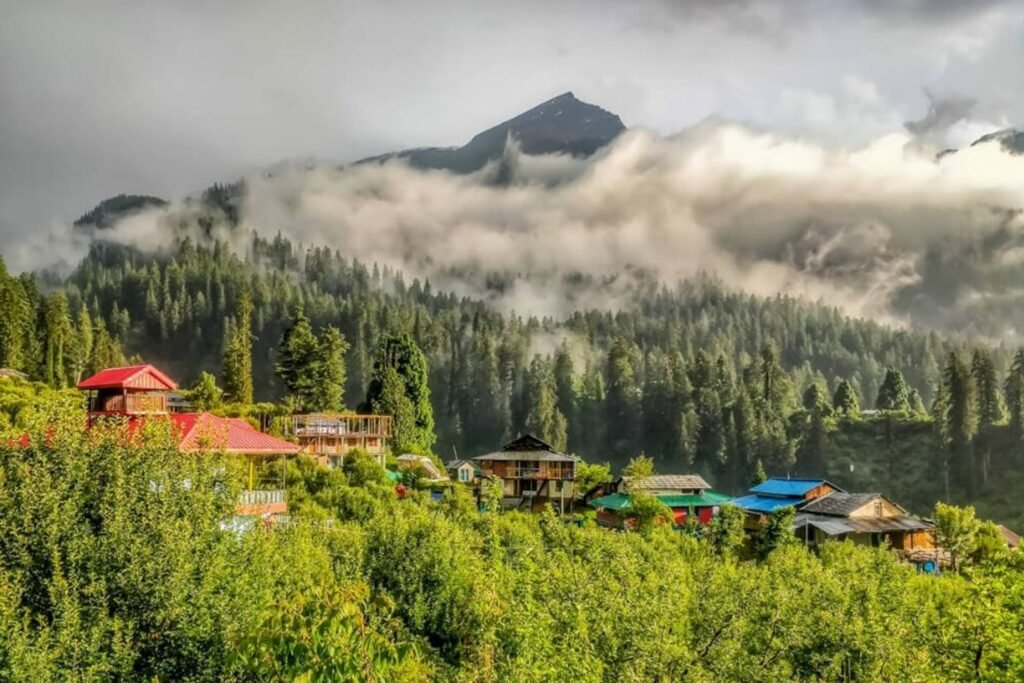
Take a short trek to Chalal, a riverside village known for its forest walks and laid-back cafés. Or venture further to Tosh, where apple orchards and wooden homes cling to steep hillsides, offering sweeping views of snow-draped peaks.
🔥 3. Sit Still by the Parvati River
Not every experience needs a plan. Some of Kasol’s most magical moments come from doing nothing — sitting by the river with a book, sipping ginger-honey tea as the sun dips behind the mountains, or just listening to the water’s hypnotic rhythm.
🪔 4. Seek Spiritual Calm at Manikaran Sahib
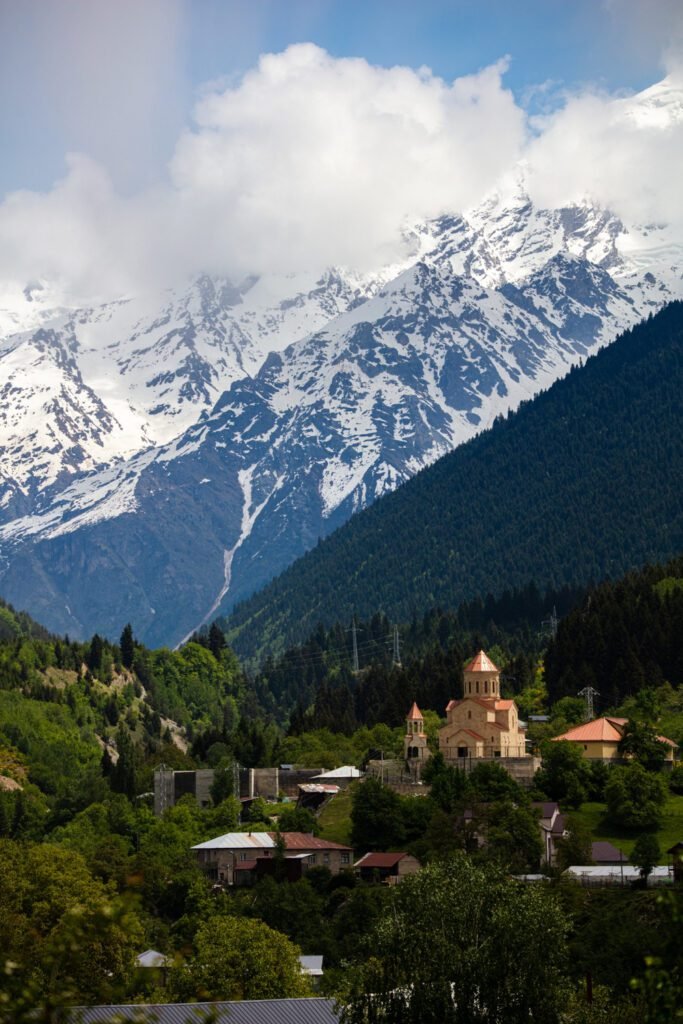
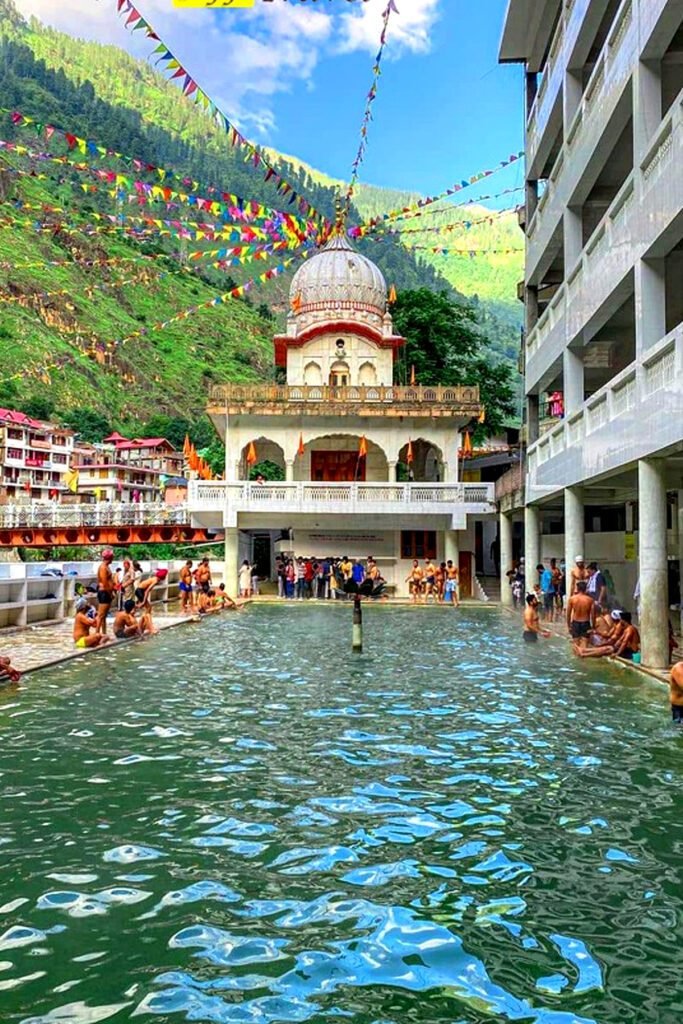
Just a few kilometers away lies Manikaran, a sacred site for both Hindus and Sikhs. Here, boiling geothermal springs cook food for the Gurudwara’s langar, and the air buzzes with chants and devotion. It’s not just a religious stop — it’s a reminder of the deep spirituality that flows through the Himalayas.
🍲 The Flavours of Kasol: A Culinary Detour
Kasol’s café culture is legendary. Tiny riverside eateries serve everything from Israeli shakshuka and hummus platters to Tibetan momos and thukpa. Try the lemon cake at Moon Dance Café, sip herbal tea at Evergreen, or enjoy a lazy brunch at Jim Morrison Café.
Every meal here tastes better with a view — mountains on one side, river on the other, and a cool mountain breeze weaving through it all.
🏕️ Where to Stay: From Hammocks to Mountain Huts
Kasol offers a stay for every kind of traveler:
- Budget backpackers will love the quirky hostels and riverside guesthouses.
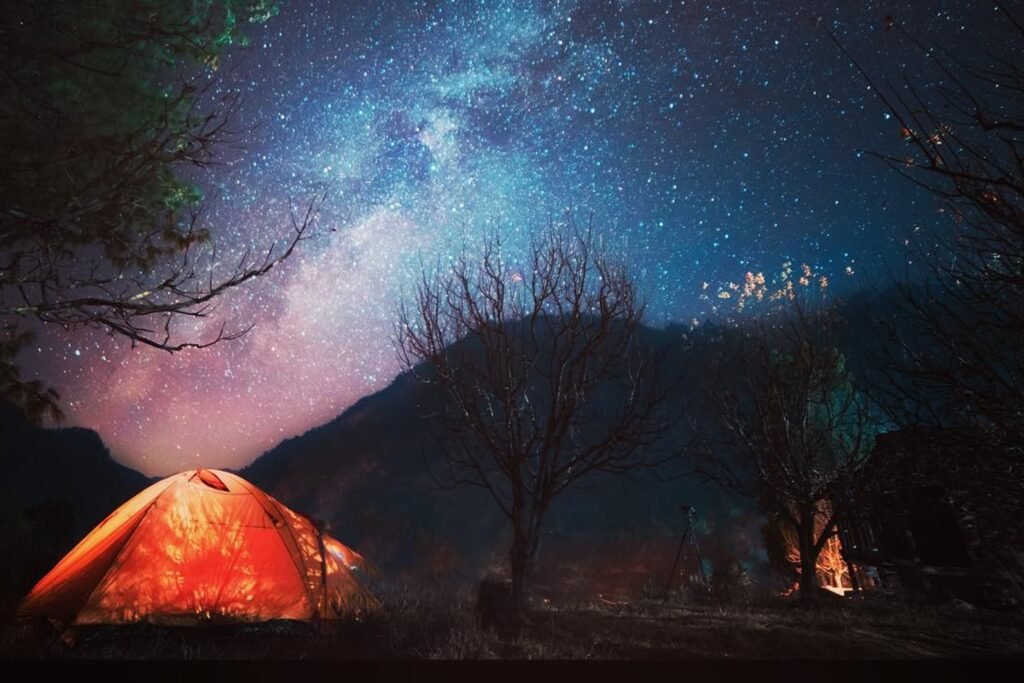
- Nature lovers can camp under starlit skies by the river.
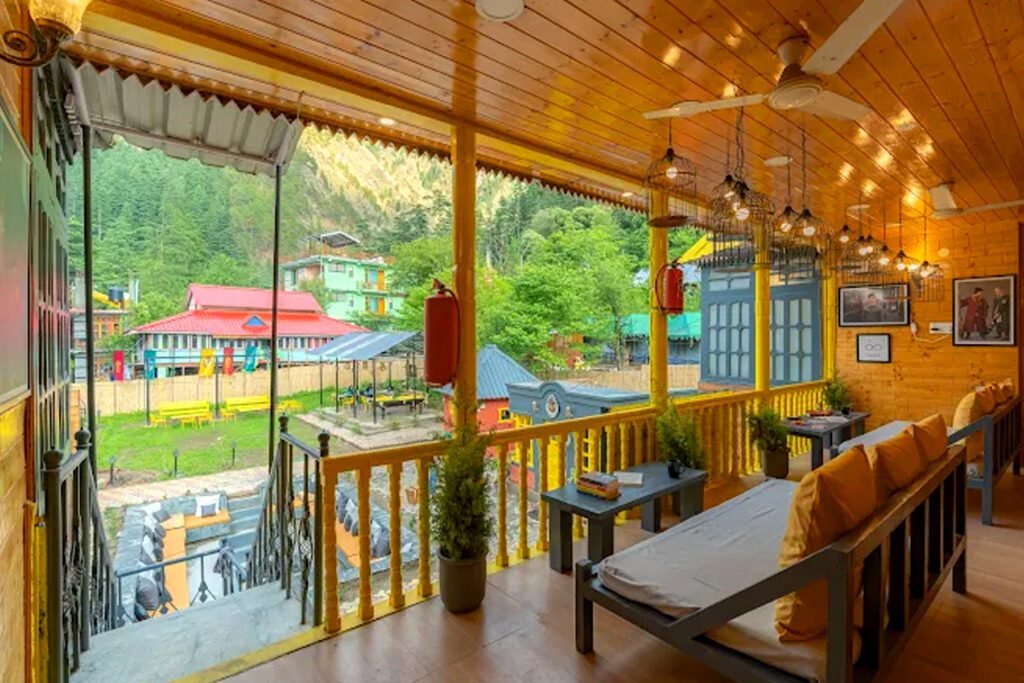
- Couples and families will find cozy wooden cottages tucked into the pine forests.
Wake up to birdsong, fall asleep to the sound of flowing water — in Kasol, even your dreams slow down.
📅 Best Time to Visit Kasol
- March – June: Pleasant weather, blooming trails, and perfect conditions for trekking.
- September – November: Crisp post-monsoon skies and fewer crowds.
- December – February: Snowfall turns the valley into a white wonderland (but some routes may close).
- July – August: Lush and green during monsoon, but be cautious of landslides.
🎒 Travel Tips for a Smooth Kasol Trip
- Carry layered clothing — mountain weather changes quickly.
- Cash is king — ATMs are limited.
- Respect local traditions and nature — leave no trace.
- Pack sturdy shoes, a rain jacket, and a power bank for treks and remote stays.
🌄 Final Thoughts: The Art of Doing Nothing
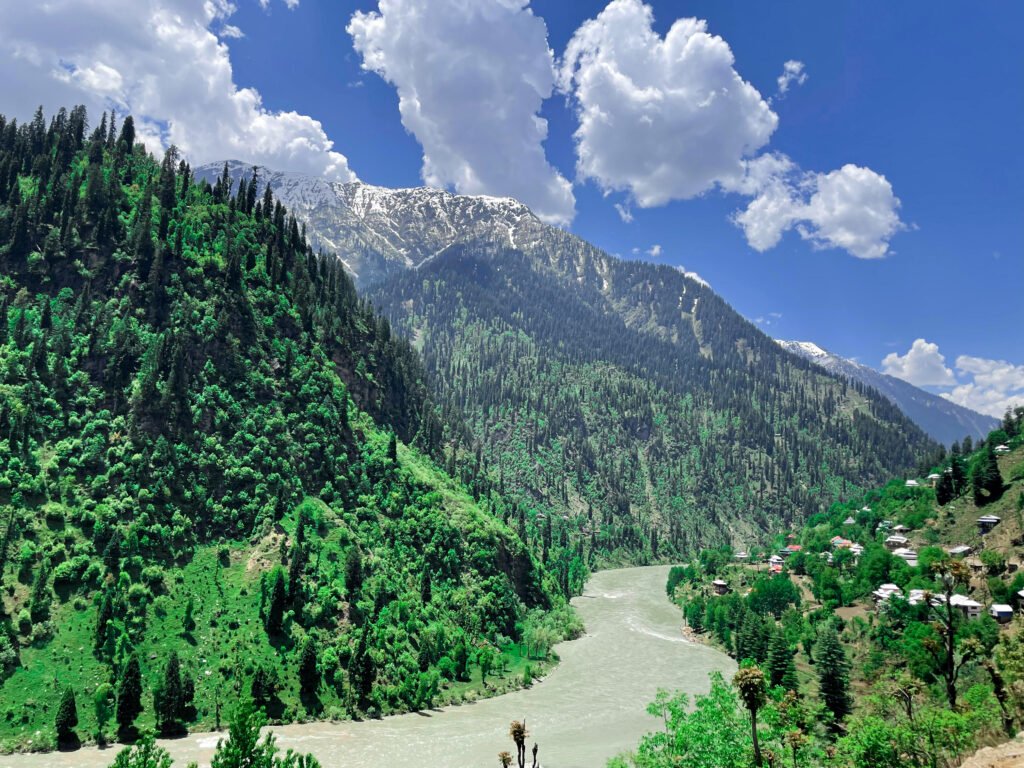
Kasol teaches you an underrated travel lesson — that not every journey needs to be rushed, planned, or filled with activities. Sometimes, the best thing you can do is be still. Let the river set the pace. Let the mountains remind you of your smallness. Let the stars teach you how vast the world really is.
When you leave Kasol, you don’t just take memories. You take back a quieter version of yourself — one that understands that peace isn’t found in ticking off itineraries, but in losing yourself to the slow heartbeat of nature.
Kasol isn’t just a place to visit — it’s a place to feel. And once you’ve felt it, you’ll always want to return.